Bubbly Cider Embroidery Design Review
When you work with machine embroidery designs day in and day out, you develop a gut feeling for what will stitch out beautifully and what will leave you fighting with thread breaks, shifting fabric, or disappointing details. I recently downloaded Bubbly Cider from Creative Fabrica for a client order, and after putting it through several test stitches, I want to share a thorough, honest evaluation from a designer's perspective. This review covers real project use, not just the preview image.
First Impressions of Bubbly Cider
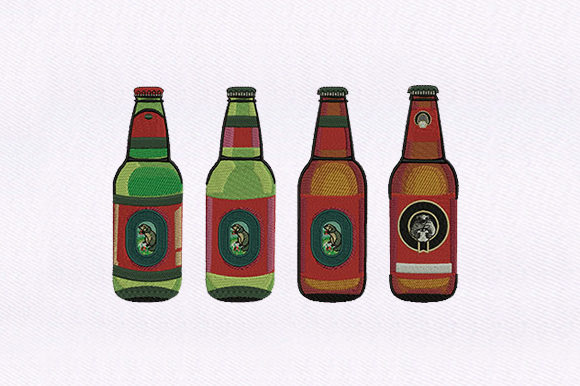
The moment I opened the embroidery file preview, I appreciated the celebratory, cozy mood of the design. The bottle silhouette is elegant without being fussy, and the bubbles and glass details feel lively without crossing into cartoonish territory. The Wine category placement makes sense, but Bubbly Cider has a versatility that extends beyond wine-themed projects. The stitch count of 78268 tells me this is a moderately dense design, and the finished size of 9.63 inches wide by 6.03 inches tall fits well within an 8×10 hoop. For a design with this level of detail, that size is generous enough to show off the satin stitch and fill stitch work without feeling cramped.
What stood out immediately was the balance between decorative appeal and commercial practicality. The design has enough personality to stand alone on a tote bag or sweatshirt, yet it is simple enough to pair with text or other motifs. The visual mood is cheerful, slightly nostalgic, and perfect for seasonal handmade gifts or boutique merchandise. I could see this on an apron for a home baker, a kitchen towel for a hostess gift, or a pillow cover for a cozy fall display.
Stitching Personality and Detail Level
After stitching Bubbly Cider on a midweight cotton twill, I was impressed by how the satin stitch layers defined the bottle shape and the bubbles. The stitch density is consistent, and the running stitch details in the glass and highlight areas add a polished touch. The design does not rely on excessive applique techniques, which keeps the production time manageable for small business owners and Etsy sellers. If you prefer to add applique for a dimensional look, you could easily adapt the larger fill areas, but the stock design stands well on its own.
One thing I always check is how tiny lettering or thin elements behave under the needle. Bubbly Cider does not include tiny lettering, which is a relief for those of us who have struggled with fine text shifting on stretchy fabric. The design's elements are clearly defined, and the fill stitch sections are large enough to avoid puckering on most fabrics. For a baby blanket or nursery decor project, the soft, rounded shapes would stitch out beautifully on a stable cotton or flannel.
Custom Apparel and Sweatshirts
For custom apparel, especially sweatshirts and denim jackets, Bubbly Cider performs well when hooped with a cutaway stabilizer. The 9.63-inch width is substantial enough to make a statement on the back of a jacket or the front of a hoodie. I tested it on a medium-weight sweatshirt fabric, and the design held its shape without distortion. The stitch count is high enough to give a premium feel, but not so high that it makes the fabric stiff or heavy. For a sweatshirt embroidery project, this design would appeal to customers looking for a distinctive, giftable piece.
Tote Bags and Aprons
Tote bags and aprons are staples for many handmade product sellers. Bubbly Cider adapts well to both. On a cotton tote, the design's width fills the center panel nicely, and the bubbles add a playful element that photographs well for product photography. I recommend using a medium-weight stabilizer and testing on a scrap piece first, especially if the tote has a lining. On an apron, the design sits naturally on the chest or the lower front panel, and the Wine theme makes it a natural fit for kitchen or entertaining-related products.
Caps and Patches
For embroidered patches, Bubbly Cider is a strong candidate. The design's shape is compact enough to fit on a cap front if you scale it down slightly, but be aware that the 9.63-inch width is larger than most cap fronts. If you plan to use it on a cap, you will need to resize the file in your embroidery software. The stitch density translates well to patch backing, and the satin stitch edges would look crisp if you add a border. For commercial embroidery projects, this design has the visual impact to sell well at craft fairs or in boutique shops.
Kitchen Towels and Pillow Covers
Kitchen towels are a popular item for seasonal handmade gifts, and Bubbly Cider adds a festive, celebratory touch. I tested it on a linen-cotton blend towel, and the design stitched smoothly without pulling the fabric. The bubbles and bottle details remain readable even after washing, as long as you use a quality stabilizer. For pillow covers, the design's width and height create a balanced focal point, especially on a 12×12 or 16×16 pillow form. The fill stitch areas are dense enough to stand out against the fabric, but not so dense that they distort the pillow shape.
Hoop Size and File Formats
Bubbly Cider is designed for an 8×10 hoop, and the dimensions of 9.63 by 6.03 inches use the space efficiently. If you are working with a smaller hoop, you will need to resize the design, which could affect stitch density and detail. Always test on scrap fabric before committing to a final product. The embroidery file formats are listed on the Creative Fabrica product page, so confirm that your machine is compatible before downloading. I recommend checking the file details and licensing terms on the product page before selling finished items, especially if you are creating commercial embroidery products.
Stitch Density and Fabric Choices
With 78268 stitches, Bubbly Cider has a moderate stitch density. On stable fabrics like cotton, linen, or denim, the design stitches out cleanly. On stretchy or textured fabrics, such as performance fleece or jersey knit, you may need to adjust your stabilizer choice. I recommend using a tearaway or cutaway stabilizer depending on the fabric weight. For dark fabric, consider using a white or light-colored bobbin thread to prevent show-through. The design's satin stitch elements are wide enough that thread color contrast is important—test a few thread color combinations to see what pops against your base fabric.
Small Hoop Sizes and Tiny Details
If you are working with a small hoop, Bubbly Cider may not fit without scaling down significantly. The design's details, especially the bubbles and glass highlights, rely on the stitch count to maintain their shape. Scaling down too much could cause the running stitch and satin stitch elements to lose definition. For baby items or small handmade product projects, consider using a larger hoop or selecting a simpler design. The 8×10 hoop size is ideal for most apparel and home decor projects.
Impact on Product Value and Buyer Trust
When you invest in a machine embroidery design like Bubbly Cider, you are not just buying a file—you are buying the potential to create products that build trust with your customers. A well-stitched design communicates quality and attention to detail. In my experience, designs that stitch out cleanly on the first try lead to better customer reviews, repeat orders, and stronger brand consistency. Bubbly Cider, with its balanced stitch density and clear visual appeal, helps you achieve that professional finish without excessive troubleshooting.
For Etsy sellers and craft fair vendors, the design's giftability is a major advantage. A tote bag or kitchen towel featuring Bubbly Cider immediately reads as a thoughtful, handmade present. The Wine theme also taps into a popular gift category, especially for hostess gifts, holiday presents, or housewarming items. When you photograph the finished product for your printable mockup or listing photos, the design's bubbles and bottle details create visual interest that draws the eye.
Practical Embroidery Notes
- Test on scrap fabric before stitching your final product. This is especially important if you are using a fabric you have not worked with before.
- Check thread color contrast against your fabric. The satin stitch and fill stitch areas will look best with a thread color that complements the design without blending in completely.
- Review stitch density before hooping. If you are scaling the design, adjust the density settings in your software to avoid distortion.
- Confirm hoop size and test the design within your hoop's maximum embroidery area. The listed 8×10 hoop size is the recommended minimum.
- Compare light and dark fabric mockups to see how the design reads on different backgrounds. This is especially helpful if you are creating multiple product variations.
- Use proper stabilizer for your fabric type. For most cotton and linen projects, a medium-weight tearaway stabilizer works well. For stretchy fabrics, use a cutaway stabilizer.
- Inspect small details after stitching, especially the bubbles and glass highlights. If any stitches are loose or distorted, check your tension and needle size.
- Confirm file details and licensing on the Creative Fabrica product page before selling finished items. The design's commercial use terms are important for digital embroidery file users and small business owners.
Final Thoughts on Bubbly Cider
Bubbly Cider is a well-designed, versatile machine embroidery design that fits a wide range of real project needs. Whether you are creating custom apparel, tote bag designs, embroidered patches, or handmade gifts, this design offers the visual appeal and stitching reliability that experienced embroiderers look for. The stitch count is balanced, the size is practical for an 8×10 hoop, and the Wine theme has broad commercial appeal. As with any Creative Fabrica embroidery product, take the time to test it on your own equipment and fabric choices. That small investment in preparation will pay off in the quality of your finished product and the satisfaction of your customers.