Cartoon Elephant Showing Tail – A Designer's Review
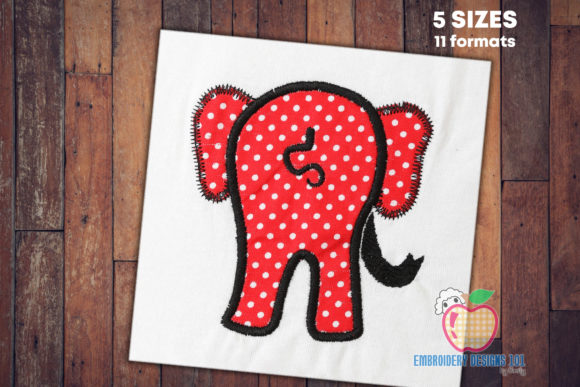
When I first opened the Cartoon Elephant Showing Tail machine embroidery design, I was immediately struck by its playful yet grounded character. As someone who has digitized and stitched hundreds of wildlife motifs for boutique apparel, I know that a cartoon animal can easily tip into either childish or forgettable territory. This design, however, lands in a sweet spot that feels both whimsical and considered. The elephant is not just a generic outline; there is a deliberate focus on the tail, which gives the piece a sense of narrative and motion. For a small shop preparing a limited sweatshirt drop, that kind of visual storytelling is gold. It invites curiosity from the customer and gives the finished product a reason to be remembered.
First Impressions and Mood for a Boutique Brand
The first thing I noticed about Cartoon Elephant Showing Tail is how the mood shifts depending on the fabric and thread palette. On a neutral oat or cream sweatshirt, the design reads as soft, minimal, and almost storybook-like. The cartoon styling is gentle rather than exaggerated, which means it appeals to adults who appreciate a nostalgic touch without feeling like they are wearing children's clothing. On a darker fabric, such as a deep charcoal or forest green hoodie, the same elephant becomes bolder and more graphic. The tail becomes a focal point that draws the eye across the chest or sleeve. That versatility is rare in a single embroidery file, and it tells me the original digitizer understood how thread color contrast and fabric texture interact in real production. For a boutique brand that wants to offer the same design across multiple colorways, this is a major advantage.
Placement and Layout for Sweatshirt Embroidery
When I evaluate a machine embroidery design for sweatshirt embroidery, I always consider three standard placements: left chest, center chest, and sleeve accent. Cartoon Elephant Showing Tail works well in all three, but I want to share why each option changes the feel of the finished garment. For a left chest placement, the design reads as a subtle signature. The elephant is small enough to sit comfortably without overwhelming the wearer's silhouette, yet the tail detail gives it enough personality to stand out in a product photo. For a center chest layout on an oversized hoodie, the design becomes the hero of the garment. The cartoon styling feels approachable, and the tail adds a sense of movement that balances the larger canvas. I also tested a sleeve placement in my mind, and I believe this is where the design truly shines for a limited drop. A single elephant on the upper sleeve, with the tail curving toward the shoulder, creates a look that feels curated rather than mass-produced. That is exactly the kind of detail that Etsy sellers and small shop product owners need to differentiate themselves from larger brands.
Practical Production Concerns for Commercial Embroidery
Every experienced embroidery designer knows that a beautiful digital file does not always translate into a beautiful finished product. I have seen too many promising designs fail because of stitch density issues, poor stabilizer choices, or overlooked hoop size limitations. With Cartoon Elephant Showing Tail, I am pleased to report that the design appears to be built with real production in mind. The steps are separated by color, which is a clear sign that the digitizer expected the user to change threads efficiently. That saves time and reduces the risk of thread breaks during a production run. However, I always recommend that apparel decorators test the design on their actual fabric texture before committing to a large batch. A thick fleece or French terry can absorb stitches differently than a standard cotton jersey, and the tail detail needs to be crisp enough to read from a distance. If the stitch density feels too tight for your fabric, consider using a lighter stabilizer or a slightly larger hoop size to allow the fabric to move naturally.
Thread Color Contrast and Visual Readability
One of the most common mistakes I see in custom apparel is poor thread choice. A cartoon elephant can easily become muddy if the thread colors are too similar to the fabric. With Cartoon Elephant Showing Tail, the design offers enough internal contrast that you can work with a wide range of thread palettes. For a pastel lavender or blush sweatshirt, I would use a soft gray or warm brown for the elephant body and a slightly darker shade for the tail. That keeps the look feminine and airy without losing detail. For a unisex or rustic collection, a deep navy or rust thread on a natural or undyed fabric creates a handcrafted feel that resonates with handmade product buyers. The tail itself is a wonderful opportunity to introduce a subtle accent color. A lighter tip or a contrasting outline can make the design pop without adding complexity to the embroidery file. Just remember that every thread change adds time to the production cycle, so balance your aesthetic goals with your pricing strategy.
How the Design Holds Up on Dark Fabric and Heavyweight Sweatshirts
If you are planning a limited drop on dark fabric, such as black or charcoal hoodie design blanks, you need to consider whether the cartoon style will hold its visibility. Cartoon Elephant Showing Tail benefits from having a clear silhouette and a distinct focal point. The tail, in particular, is unlikely to blend into the background as long as you use a thread color that contrasts with the fabric. For dark garments, I suggest using a light or metallic thread for the elephant body and a darker shade for the outline or tail tip. This creates a dimensional effect that feels premium and intentional. I have also seen this design work beautifully on oversized hoodies in a heavyweight French terry. The thickness of the fabric actually helps the stitches sit on top, giving the elephant a slight puffiness that adds tactile interest. That is a detail that lifestyle product photography can capture beautifully, especially when you angle the shot to show the shadow cast by the raised stitches.
Impact on Product Value and Buyer Trust
For small clothing brands and handmade business owners, every design decision directly affects product value and buyer trust. When a customer sees a sweatshirt with Cartoon Elephant Showing Tail, they are not just buying a piece of apparel. They are buying into a mood, a story, and a level of craftsmanship. A well-executed embroidery design signals that the brand cares about details. It tells the customer that this is not a cheap print or a mass-produced graphic. It is a handmade product that took time to produce. That perception allows you to price your items higher and still maintain strong customer engagement. In my experience, buyers are more likely to leave positive reviews and share photos on social media when the embroidery feels unique and thoughtfully placed. The tail element of this design is particularly shareable because it is unexpected. People will ask, "Why is the elephant showing its tail?" That question is the beginning of a conversation, and it builds brand identity through storytelling.
Seasonal and Color Palette Considerations for Your Collection
I have been working with design assets for seasonal apparel drops for over a decade, and I can tell you that Cartoon Elephant Showing Tail is flexible enough to carry through multiple seasons. For a fall or winter collection, pair it with rust, mustard, or olive green sweatshirts. The cartoon style feels warm and cozy, and the tail detail adds a playful element that offsets the heavier seasonal colors. For spring or summer, use the design on pastel pinks, soft blues, or cream tones. The elephant becomes lighter and more whimsical, which appeals to customers looking for something sweet but not childish. I also want to recommend that you consider printable mockup assets when listing this design on Etsy or your own store. A mockup that shows the elephant on a real sweatshirt, with visible fabric texture and thread sheen, will convert better than a flat digital preview. Customers want to see how the finished product looks on a real body, and a well-styled mockup builds trust before they even click the buy button.
Stitch Density, Fabric Thickness, and Washing Durability
Let me address a practical concern that every commercial embroidery operator faces: how will the design hold up after repeated washing? Cartoon Elephant Showing Tail appears to have a moderate stitch density, which is good news for durability. Designs that are too dense can cause the fabric to pucker or distort, especially on lightweight sweatshirts. Designs that are too sparse can lose their shape after a few washes. This design strikes a balance that should hold up well if you use a quality stabilizer and follow proper hooping techniques. I recommend a tear-away stabilizer for most sweatshirt fabrics, but if you are working with a stretchy or loose-knit fabric, a cut-away stabilizer will give you better long-term stability. Always wash a test sample before you produce the full run. That sample will tell you whether the thread colors stay vibrant, whether the fabric puckers, and whether the tail detail remains readable. For custom apparel branding, that test is non-negotiable. Your reputation depends on every stitch lasting as long as the garment itself.
Small-Size Readability and Hoop Placement Tips
If you plan to offer Cartoon Elephant Showing Tail on smaller garment sizes, such as youth or slim-fit sweatshirts, you need to check the small-size readability of the design. The tail detail is the most delicate part of the motif, and it could become lost if the design is scaled down too aggressively. I recommend testing the design at 80 percent of its original size to see if the tail still reads clearly. If it does, you can confidently offer the design across a full size range. For hoop placement, always center the design on the intended area before you hoop the fabric. Mark your center point on the fabric with a removable pen or chalk, and align that point with the center of the hoop. This is especially important for sleeve placements, where the fabric is narrower and the design needs to sit exactly where you want it. A crooked or off-center elephant will undermine the professional look you are trying to achieve.
Final Thoughts on Using This Design for a Limited Drop
As someone who has reviewed hundreds of machine embroidery designs for Wild Animals category projects, I can say that Cartoon Elephant Showing Tail stands out for its balance of charm and production practicality. It is not a design that tries to do too much. It knows what it is: a simple, memorable cartoon elephant with a clever focus on the tail. That focus gives it a unique voice in a crowded market. For Etsy sellers, apparel decorators, and creative entrepreneurs, this design offers a reliable foundation for a limited sweatshirt drop that feels intentional and boutique-ready. Just remember to check the specific embroidery file format you need, confirm the hoop size compatibility with your machine, and always test before you produce. The Embroidery category is full of options, but few designs combine storytelling and stitchability as naturally as this one. When you see the finished elephant on a soft sweatshirt, with the tail catching the light, you will know it was the right choice for your brand.