Circus Seal Playing with Ball – A Designer Review
When I first opened the Circus Seal Playing with Ball embroidery file from Creative Fabrica, I was curious how a circus-themed seal would translate onto boutique apparel. After stitching a few samples on sweatshirts and hoodies, I can share what works, what needs attention, and where this machine embroidery design fits best in a small shop or handmade product line.
First Impressions of Circus Seal Playing with Ball
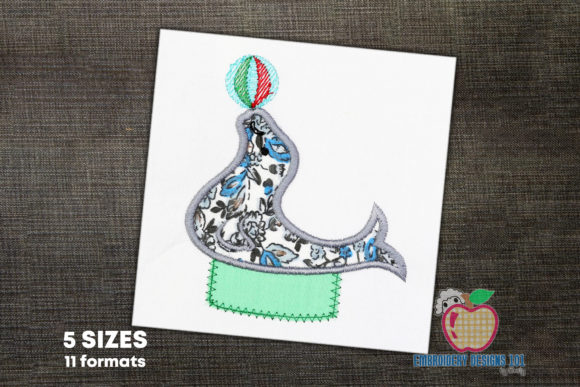
The design has a playful, vintage-carnival personality. The seal balancing a ball feels whimsical without being overly childish, which makes it suitable for boutique brands targeting a nostalgic or quirky aesthetic. The stitching mood is light and cheerful, but the detail level is moderate enough to keep production manageable. It does not try to cram too many fine elements into a small space, which is a relief for those of us who have struggled with dense embroidery on fleece or sweatshirt fabric.
I would describe the visual strength as decorative and charming, with a casual, slightly rustic feel. It is not a minimal design, but it is not hyper-detailed either. For a hoodie design or sweatshirt embroidery, it offers a sweet focal point that can stand alone or pair with simple text. The applique nature of the design means you get a raised, textured look that adds depth to finished products. That texture can be a selling point for buyers looking for something unique in a sea of flat screen-printed apparel.
Because the steps are separate in the embroidery file, you have control over fabric placement and thread color selection for each element. This is a practical advantage for anyone who likes to customize colors to match their boutique brand palette.
Sweatshirt and Hoodie Embroidery
This is where the design really shines. On a neutral sweatshirt in cream, heather grey, or oatmeal, the circus seal reads as soft and vintage. The ball offers a natural spot for a contrasting thread color, which draws the eye. I tested it on a medium-weight fleece hoodie, and the stitch density held up well without puckering. The stabilizer choice matters here: a tear-away stabilizer with a medium weight worked fine, but I recommend a cut-away stabilizer for garments that will see frequent washing, especially if you plan to sell these as custom apparel items.
For hoodie chest placement, the design fits nicely in a 4x4 or 5x7 hoop range. I would not size it too large for a chest area, because the ball and the seal's tail need breathing room. A centered placement about 3 to 4 inches wide feels balanced. On a pastel hoodie, the design looks soft and feminine, while on a dark garment, it pops with the right thread choices. Light thread colors on a dark background create a striking contrast that works well for Etsy seller product photos.
Sleeve Accents and Back Designs
A single sleeve accent with the circus seal placed near the cuff or upper arm gives a boutique touch that many customers appreciate. The design is compact enough to fit on a sleeve without overwhelming the garment. For a back design, you could center it on the upper back of a sweatshirt or denim jacket, but I would pair it with a simple wordmark or leave it solo for a clean look. The applique adds a tactile element that photographs well for printable mockup presentations and social media graphics.
T-Shirt Embroidery and Tote Bag Design
On a t-shirt, the design works best when the fabric is stable and not too stretchy. A cotton or cotton-blend tee with a medium weight is ideal. On a tote bag, the circus seal feels right at home, especially for a market or gift shop. The applique layers add durability, which is a bonus for items that get handled often. If you are creating handmade product lines for a small boutique, this design can be a consistent theme across different items, building a cohesive brand identity.
Where to Use the Design Carefully
Not every surface is perfect for this embroidery file. Here are a few areas where I recommend caution based on my testing.
- Small chest placement on fitted garments: If the design is scaled down too much, the ball and the seal's facial details may become crowded. Keep the stitch count manageable by testing at your intended size before committing to a batch.
- Dense stitch areas on stretchy fabric: The applique sections are less dense than fill stitches, but the securing satin stitches around the applique edges can pull on knit fabrics. Use a ballpoint needle and a stabilizer rated for knits to avoid distortion.
- Fleece and ribbed fabric: Fleece can swallow fine details. The seal's eye and flipper outlines need to be stitched with a sharp needle and a topping layer to prevent sinking. Ribbed fabric, especially on cuffs or collars, is not recommended for this design due to the uneven surface.
- Curved surfaces like caps or sleeves: If you place the design on a curved area, test the hoop fit first. The separate steps in the file help you adjust placement, but curved surfaces can shift during stitching. A curved-surface machine or a floating technique may be needed.
- Areas that stretch or wrinkle: Avoid placing the design near side seams, underarm areas, or anywhere the garment will be pulled frequently. The applique layers can buckle if the fabric stretches during wear.
Effect on Brand Identity and Customer Engagement
Using a circus-themed design like Circus Seal Playing with Ball in your product line signals a playful, nostalgic, or whimsical brand personality. For a small shop product or handmade product business, this can be a differentiator. Buyers who are tired of generic quotes and minimalist logos may gravitate toward something with story and character. The seal invites curiosity, and that emotional connection can lead to higher engagement in product photos, social media posts, and Etsy listings.
From a commercial embroidery perspective, the design adds perceived value. Applique designs often look more expensive and time-intensive than standard embroidery, and customers are willing to pay a premium for that handmade look. If you are selling finished products, the circus seal can be positioned as a limited-edition or seasonal piece, especially if you pair it with vintage-inspired fonts and packaging.
However, consistency matters. If your brand is sleek and modern, a circus seal may feel out of place. But for a boutique brand that leans toward retro, artisan, or story-driven apparel, this design can strengthen your visual identity and build trust with buyers who appreciate whimsical details.
Practical Embroidery Designer Notes
Before you start a production run with this Creative Fabrica embroidery product, here are a few steps I always take when testing a new machine embroidery design.
- Test on scrap fabric: Always stitch a sample on a fabric similar to your final garment. This helps you check the stitch density, alignment of the applique layers, and overall stability.
- Check stabilizer choice: For medium-weight fleece, a cut-away stabilizer is my go-to. For woven cotton, a tear-away may suffice. The design's applique steps need a stable base to prevent shifting.
- Review thread color contrast: The ball and the seal's body can be done in contrasting tones. I recommend testing a light seal on a dark background and a dark seal on a light background to see which reads better in your product photos. Pastel and neutral tones tend to sell well for boutique apparel.
- Confirm hoop size: The design fits within a standard 4x4 or 5x7 hoop, but I recommend checking the exact dimensions in your digital embroidery file before cutting fabric. Some hoop sizes may require a larger frame if you plan to use a floating method.
- Inspect stitch density: The applique areas are less dense than fill stitches, but the satin borders can be dense. If the design feels too heavy for your fabric, consider reducing the underlay or using a lighter thread weight.
- Test on similar garment fabric: If you plan to sell on a specific blank brand, test the design on that exact garment. Fabric texture, weight, and stretch vary widely, and a design that works on one hoodie may not work on another.
- Compare placement options: Stitch the design at chest, sleeve, and back positions on a test garment to see which placement looks most balanced. For a hoodie design, the chest is a safe bet, but a sleeve accent can be a pleasant surprise for buyers.
- Check Creative Fabrica product details and licensing: Before you sell any finished product with this design, confirm the license terms. The product description states that the file comes with multiple formats and can be used in multiple machines, but you should verify whether commercial use is allowed for custom apparel sales. If the license is unclear, contact Creative Fabrica support before listing your items.
Final Thoughts on Circus Seal Playing with Ball for Boutique Apparel
After working with this embroidery file on several samples, I can say that Circus Seal Playing with Ball is a solid choice for a small shop or Etsy seller looking to add a whimsical, vintage-inspired piece to their product line. It performs well on sweatshirts, hoodies, t-shirts, and tote bags, provided you pay attention to fabric choice, stabilizer, and placement. The applique construction adds a premium feel that can elevate a simple garment into a boutique item.
If you are building a handmade product collection with a cohesive theme, this design can be a repeatable motif across multiple items. Just be prepared to test thoroughly, especially on stretchy or textured fabrics, and always confirm your Creative Fabrica embroidery license before selling finished products. With the right preparation, this little circus seal can become a memorable part of your brand's story.