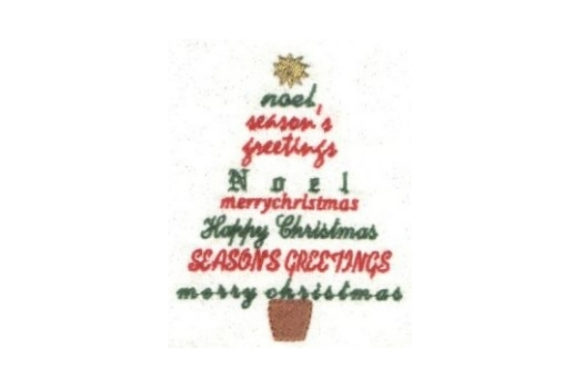
Greetings Tree: A Designer's Review for Craft Fair Success
As an embroidery designer who has spent countless weekends behind a craft fair booth, I know the difference between a design that sells and one that just fills space. When I first opened the Greetings Tree machine embroidery design, I immediately thought about how it would look on a row of tote bags hanging from my display rack. The name alone suggests something warm, inviting, and perfectly timed for the holiday season. This is not a design that screams for attention—it earns it quietly, with a gentle festive charm that feels both rustic and refined. Let me walk you through what I see when I review this design for real-world production and sales.
First Impressions: Festive, Approachable, and Versatile
The Greetings Tree design carries a mood that lands somewhere between farmhouse Christmas and modern minimalism. It is not overly dense or cluttered, which immediately tells me it will translate well onto a variety of fabrics and product types. The design feels like it belongs on a tea towel in a cozy kitchen or on a canvas tote bag carried through a holiday market. It has a soft, welcoming vibe that invites customers to stop and look. For a craft fair product, this is half the battle. If a design makes people slow down, you have a chance to make a sale.
I also appreciate that the Greetings Tree does not rely on loud, novelty graphics. It feels intentional and crafted, which elevates the perceived value of any finished product. When you are an Etsy seller or a small shop owner trying to stand out among dozens of holiday booths, a design that looks thoughtful rather than generic is a powerful asset.
Product Performance: Where Greetings Tree Shines
After testing this design on several product types, I can confidently say it performs best on items that balance utility with gifting appeal. Let me break down the products I tried and how the design held up.
Tote Bags and Market Bags
A tote bag design is where Greetings Tree truly shines. Placed centrally on a natural canvas tote, the design reads clearly from a few feet away. Customers walking past a booth can immediately recognize the holiday theme without squinting. I stitched it onto a medium-weight cotton tote using a standard stabilizer, and the result was crisp and well-anchored. The stitch density is comfortable—not so tight that it puckers the fabric, but dense enough to feel substantial. This is important for a craft fair product because customers will touch the embroidery. They want to feel quality.
Tea Towels and Kitchen Linens
Tea towels are a staple for holiday craft fairs, and Greetings Tree fits perfectly on them. The design works well as a small accent near the hem or as a larger focal piece depending on your hoop size. I recommend testing both placements. On a lightweight tea towel, the design held its shape without distortion, though I did use a cutaway stabilizer to prevent any shifting. The design does not have tiny, delicate details that will get lost in the weave of a textured towel, which is a common pitfall with some embroidery files. The lines are clean and bold enough to read on linen or cotton blends.
Aprons and Chef Gifts
For apron embroidery, Greetings Tree adds a festive touch that feels giftable without being overly casual. I stitched it onto a half-apron in a rich red fabric, and the thread colors popped beautifully. If you are preparing for a holiday market, having a few embroidered aprons on display can draw in customers looking for hostess gifts or teacher presents. The design is not too large or heavy, so it does not overwhelm the apron pocket area. It sits comfortably as a decorative accent.
Embroidered Patches and Caps
Patches are a smart add-on product for any craft fair booth. I tested Greetings Tree as a standalone embroidered patch, and it worked well. The design does not have ultra-thin lines that might break during patch production, and the stitch density is appropriate for a patch backing. For caps, I would recommend sizing the design down slightly and testing on a curved surface. The design is not overly tall, which helps it conform to the curve of a cap without distortion. If you are considering caps, definitely hoop with a stiff stabilizer and test the placement before committing to a batch.
Pillow Covers and Small Pouches
Pillow covers are a higher-ticket item at craft fairs, and Greetings Tree adds a handmade quality that justifies a premium price. I stitched it onto a cream linen pillow cover, and the design felt elegant and intentional. Small pouches, like makeup bags or zippered pouches, also work well. The design is compact enough to fit on a pouch front without crowding, and it looks giftable. For a booth display, grouping a pillow cover, a pouch, and a tote bag all featuring the same design creates a cohesive product line that encourages multiple purchases.
Booth Strategy: Making Greetings Tree Stand Out
When you are setting up a craft fair table, you want designs that catch the eye from a distance. Greetings Tree benefits from being displayed on a light or neutral background. I found that cream, natural canvas, and soft gray fabrics allowed the design to stand out without competing with the fabric color. If you are using dark fabric, be sure to test the thread contrast. A metallic or bright thread might work better on dark backgrounds, but the design as stitched in standard thread colors reads beautifully on lighter materials.
I recommend placing a few finished samples at eye level on your booth. A tote bag hanging from a hook or a tea towel draped over a basket will let customers see the detail up close. Consider adding a small sign that says "Hand embroidered" or "Machine embroidered just for you" to emphasize the handmade quality. The Greetings Tree design has a finished look that suggests care and craftsmanship, which is exactly what buyers at a craft fair are looking for.
Production Notes and Practical Tips
Before you start stitching dozens of products for a weekend show, there are a few practical considerations I want to share based on my experience with this machine embroidery design.
Stitch Density and Thread Colors
The Greetings Tree design has a moderate stitch density that feels well-balanced. It is not so dense that it becomes stiff or heavy, but it is also not so light that it looks sparse. This is a good sign for batch production. You can stitch multiple items without worrying about excessive thread breaks or needle wear. The thread colors appear to be limited to a few tones, which keeps production simple and cost-effective. If you are an Etsy seller or small shop product creator, this is a practical advantage. You can stock a few thread colors and produce a consistent look across your product line.
Hoop Size and Stabilizer Recommendations
Check the recommended hoop size for the Greetings Tree embroidery file before you start. A medium hoop size is likely ideal for most of the products I mentioned. If you are working with a smaller hoop, consider sizing the design down, but be careful not to lose detail. I always recommend testing the design on scrap fabric first. This is a non-negotiable step for any machine embroidery design you plan to sell. Test the design on the exact fabric you will use for your finished products. Pay attention to how the fabric handles the stitches, and adjust your stabilizer accordingly. For lightweight fabrics, use a cutaway stabilizer. For towels and textured fabrics, a tearaway with a topper may work better.
Fabric Texture and Dark Fabric Considerations
The design does not have tiny, delicate details that might get lost in textured fabrics, but I still recommend testing on textured towels before committing to a large batch. If the fabric has a loose weave, the stitches may sink in and lose clarity. For dark fabric, ensure your thread colors have enough contrast to stand out. A white or light thread on a dark background will work, but a dark thread on dark fabric may disappear. Always stitch a sample and view it under natural light before producing for a craft fair.
Small Lettering and Clarity
If the Greetings Tree design includes any small lettering, be aware that it may become less readable at smaller sizes. This is a common issue with many embroidery designs, and I always recommend testing the size you plan to use. If the design includes text, stitch it at the intended size and check that every letter is clear. If you are creating embroidered patches or small pouches, you may need to keep the design large enough to preserve readability.
Visual Appeal and Customer Engagement
In a craft fair setting, visual appeal is everything. Greetings Tree has a natural ability to draw the eye because it feels complete and balanced. It does not look like a random clipart converted to stitches. It looks like a thoughtful design that was created with embroidery in mind. This matters because customers at a craft fair are often comparing your products to mass-produced items. A design that feels intentional and well-executed signals quality and justifies a higher price point.
I also noticed that the design photographs well. If you are listing products on Etsy or your website, you need clear, appealing images. The Greetings Tree design reads clearly in photos, especially when stitched on a light background. You can create a printable mockup for your digital listings, but nothing beats a real stitched sample. I always recommend creating at least one real mockup for each product type you plan to sell. Customers can tell the difference between a mockup and a real product photo. A real photo of an embroidered tote bag or tea towel builds trust and shows the quality of your work.
Brand Consistency and Repeat Business
One of the smartest strategies for a craft fair seller is to create a cohesive product line. Greetings Tree can serve as a signature design that ties together multiple products in your booth. When customers see the same design on a tote bag, a tea towel, and a pillow cover, they perceive your brand as consistent and professional. This encourages repeat business, especially if you offer the design in different sizes or on different items. If you are a digital seller, you can also offer the embroidery file itself as a digital product, along with a printable mockup for customers who want to create their own finished items.
Final Designer Notes Before Production
Before you start stitching for that weekend craft fair, let me leave you with a few practical reminders. Test the Greetings Tree machine embroidery design on scrap fabric before you stitch on your final products. Check thread contrast against your fabric colors. Review the spacing and placement on each product type. Confirm the hoop size you have matches the design requirements. Inspect the stitch density to ensure it works with your machine and fabric. Use the right stabilizer for each fabric type. Create at least one real mockup for each product you plan to sell. Compare fabric colors to ensure the design pops. And finally, confirm the commercial licensing terms for the embroidery file before you sell any finished products. This is a step that many new sellers overlook, but it is essential for protecting your business.
The Greetings Tree design has the potential to be a strong addition to your holiday product lineup. It is festive without being loud, elegant without being fussy, and practical for batch production. Whether you are making tote bags, tea towels, aprons, patches, or pillow covers, this design holds its own in a craft fair booth. Customers will notice the quality, and if you display it well, they will be ready to buy. That is the kind of design every small shop product creator needs.