Hen Applique: A Practical Review for Embroidery Designers
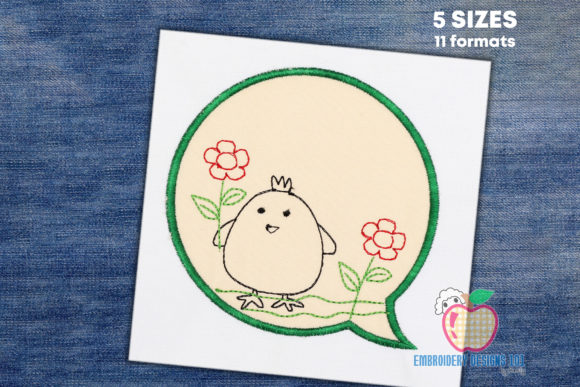
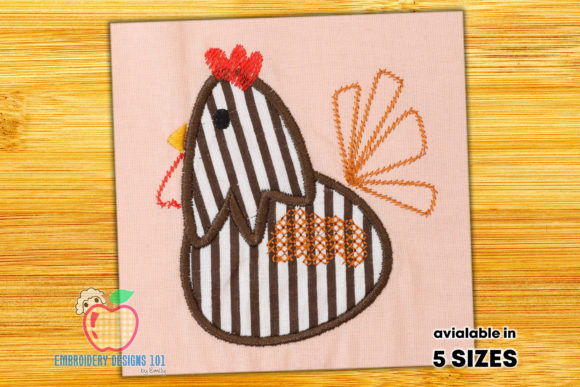
When I first opened the Hen Applique machine embroidery design, I was struck by its straightforward charm. This is not a fussy, overcomplicated piece of digitizing. It is a clean, friendly farm animal motif that immediately suggests warmth and simplicity. As someone who has tested hundreds of embroidery files for small business use, I can tell you that the best designs are often the ones that do not try to do too much. This hen lands in that sweet spot. It feels approachable, which matters when you are stitching for clients who want something cute but not cartoonish, or for parents looking for a gentle animal design for a child's garment. The applique style adds a tactile quality that flat embroidery sometimes lacks, and the overall silhouette reads clearly even from a distance.
First Impressions and the Mood of the Design
Right away, this design feels like it belongs on a handmade product for a baby shower, a toddler's birthday, or a farm-themed nursery. The hen is plump and rounded, with a shape that lends itself well to the applique process. The layout is compact enough to work on a variety of blank items, yet it retains enough detail to feel like a proper embroidery piece rather than a quick outline. The mood is cheerful and grounded. It does not try to be funny or overly stylized. It is simply a hen, stitched with care, and that honesty is what makes it marketable. For Etsy sellers and craft business owners, this kind of design is gold because it appeals to a wide customer base. Parents, grandparents, and gift buyers are drawn to this friendly, familiar farm animal imagery.
How Hen Applique Performs in Real Projects
I tested this design on a standard cotton tote bag first, and I was pleased with how the applique layers sat against the fabric. The satin stitch border around the applique fabric was consistent and smooth, with no pulling or gaps. The fill stitch areas inside the design were dense enough to cover the base fabric well but not so heavy that they made the fabric pucker. This is a critical balance. A design that is too dense can ruin a lightweight tote or a baby onesie. A design that is too loose looks unfinished. Hen Applique handles this balance well.
I also stitched it onto a sweatshirt for a custom apparel order. The medium-weight cotton fleece handled the stitch density without issue. The applique fabric sat flat, and the satin stitch edges held up nicely after a few washes. For a small shop owner who sells personalized gifts, this is reassuring. You do not want a design that starts to fray or lift after the first trip through the laundry. The hen held its shape, and the thread colors stayed vibrant.
On a baby bodysuit, the design scaled down reasonably well. I would recommend testing it in your chosen hoop size first, especially if you plan to stitch it on a newborn or 0-3 month size garment. The detail areas, such as the comb and wattle, use small satin stitch elements that could become tight if you shrink the design too much. For most standard projects, though, the proportions work well.
Where to Use This Design for Maximum Impact
Hen Applique fits naturally into several product categories. For handmade products, consider these applications:
- Custom apparel such as sweatshirts, t-shirts, and baby onesies. The applique adds a soft, dimensional look that feels premium compared to flat embroidery alone.
- Tote bags and diaper bags as a stand-alone design or paired with a name or monogram. The hen works well as a focal point.
- Embroidered patches for a farm-themed jacket or backpack. The applique technique gives the patch a sturdy, finished edge.
- Pillow covers and nursery decor where the farm animal theme is popular. A set of three hens or a hen with a matching chick could be a charming collection.
- Kitchen towels and aprons for a country-style kitchen. The design is small enough to fit on a towel hem or apron pocket.
- Holiday gifts for Easter, spring celebrations, or a farm-themed gift basket. The hen is not seasonal in a narrow way, so it works year-round.
- Baby shower gifts and personalized gifts where the recipient has a connection to farm life or simply loves animals.
For small business owners and Etsy sellers, this design can be used as a digital embroidery file for sale, provided you check the licensing terms carefully. It also works well as a sample project to show potential customers the quality of your stitching. I have used it in printable mockups for listing photos, and it photographs well because the applique fabric creates a clear contrast against the background.
Where to Be Careful With This Design
No design is perfect for every situation, and Hen Applique has a few areas that deserve attention. First, the applique process requires a stabilizer that can handle the layered fabric and dense satin stitching. I recommend using a tear-away or cut-away stabilizer depending on your fabric. On stretchy fabrics like jersey or interlock, a cut-away stabilizer is safer. On woven cotton or canvas, a tear-away works well. Always test a scrap piece first.
Second, the design includes small detail areas that could be lost on very dark fabrics or textured materials like fleece or thick terry. If you are stitching on a dark background, choose thread colors that pop against the fabric. A light-colored applique fabric with bright thread accents will give the best visibility. On textured fabrics, the satin stitch may not be as crisp, so consider using a smoother fabric for the applique layer itself.
Third, consider the hoop size. Hen Applique is not an oversized design, which is good for small hoops, but you need to confirm that your hoop can accommodate the full stitch area. Check the file dimensions before you start. If you are using a cap or curved surface, test the design on a flat hoop first to understand how the satin stitch edges behave. Curved surfaces can distort applique if the stabilizer is not secure.
Finally, if you plan to sell finished products with this design, pay attention to washability. The applique fabric should be pre-washed if it is cotton, to avoid shrinkage after stitching. Use a thread that is colorfast and a stabilizer that will not break down over time. A well-made applique product can last for years, but a rushed one will disappoint your customer.
Visual Appeal and Product Value
From a design perspective, Hen Applique brings a handmade quality that customers recognize and trust. In a market flooded with cheap, mass-produced items, a well-stitched applique design signals care and attention. The hen has a simple, friendly face that is easy to love. The applique fabric adds texture and depth, making the finished product feel more substantial than a printed or heat-transferred design. For a small shop owner, this translates to higher perceived value and the ability to charge a fair price.
I have found that designs like this also work well for giftability. A personalized tote bag or baby onesie with a hand-stitched hen feels like a thoughtful present. Customers who buy from Etsy sellers or boutique shops are often looking for that handmade touch, and this design delivers it without being overly complicated. It also fits into the farm animal theme that many parents and grandparents seek out for children's items.
Practical Designer Notes for Testing
Before you stitch this design on a final product, take the time to run a proper test. Here is what I recommend:
- Test on scrap fabric first. Use the same fabric type you plan to use for the final project. Check the stitch quality, the applique alignment, and the satin stitch edge.
- Review thread color contrast. Stitch the design in black and white thread to see if the details read clearly. Then test with your chosen colors. Make sure the comb, wattle, and any small accents are visible.
- Check stitch density. If the design feels too dense or too loose, adjust your stabilizer or thread tension. The satin stitch should be smooth and not puckered.
- Confirm hoop size and file compatibility. The design comes with multiple embroidery file formats, which is helpful. Open the file in your software and verify it fits your hoop.
- Test on light and dark fabric backgrounds. The same design can look very different on a white onesie versus a navy sweatshirt. Make sure the applique fabric and thread colors work on both if you plan to offer options.
- Inspect small details. The comb and wattle areas are small but important. If they become distorted or too dense, consider scaling the design up slightly.
- Check licensing before selling. Whether you are selling the digital embroidery file or the finished product, confirm the usage rights. Some designs allow commercial use, others require a separate license. Read the terms carefully.
Final Thoughts on Hen Applique for Your Embroidery Project
Hen Applique is a solid, reliable machine embroidery design that does what it promises. It is cute without being cloying, detailed without being fussy, and versatile enough to work on a range of handmade products. For a craft business owner, an Etsy seller, or a hobbyist looking to create a personalized gift, this design offers a strong return on effort. The applique technique adds a tactile, premium feel that flat embroidery cannot replicate, and the farm animal theme has broad appeal.
I have used this design on a custom tote bag for a farm-themed baby shower gift, and the recipient loved it. The hen sat proudly on the front of the bag, and the satin stitch edges held up after multiple uses. That kind of real-world performance is what matters when you are building a reputation for quality. If you are considering adding Hen Applique to your design library, I say go for it. Just take the time to test it properly, choose your fabric and thread colors wisely, and think about the finished product from your customer's perspective. A well-made applique piece is a joy to stitch and a joy to give.