Oyster Mushroom Bluework: A Pro Designer's Review
When I'm prepping for a weekend craft fair, every new machine embroidery design I add to my production queue has to pass a specific test: will it stop a shopper mid-stride, and can I sew it out in volume without headaches? The Oyster Mushroom Bluework design recently landed on my desk, and I put it through my usual booth-ready evaluation. This is a review from a seasoned embroidery designer focused on what truly sells in the handmade market.
First Impressions: Rustic Elegance in the Food Category
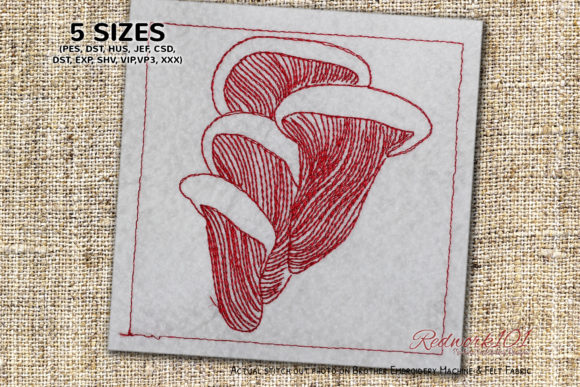
The name "Bluework" immediately sets an expectation of classic, monochromatic stitching, and the Oyster Mushroom motif delivers an organic, farm-to-table elegance. It leans into the Food category, but not in a kitschy way. It feels like a high-end botanical sketch you'd find in a premium culinary journal or a rustic farmhouse kitchen. The first impression is sophisticated, natural, and deeply decorative. It's not a loud, cartoonish design; it's an understated piece that invites closer inspection.
The optional Box Stitch is a clever design asset. The description notes that the outer box color can be skipped entirely. This flexibility is a huge advantage for a small shop owner. You can stitch out the Oyster Mushroom Bluework as a structured medallion for a formal look, or as a freestanding organic spray for a more whimsical, botanical feel. One embroidery file, two distinct aesthetics.
Booth Performance: Where This Design Sells Best
I immediately pictured the Oyster Mushroom Bluework on a range of high-margin products. The blue-on-cream or blue-on-natural contrast is a proven winner in the farmhouse and rustic decor markets. Here is how it performs across different product categories:
Tea Towels and Kitchen Linens
This is the obvious home run. A tea towel embroidery design featuring bluework is a classic, high-margin handmade product. It is lightweight, easy to stitch in bulk, and photographs beautifully for Etsy listings. The "Food" theme makes it a natural fit for kitchen decor. Customers who love to cook or forage for wild mushrooms will be immediately drawn to this motif.
Apron Embroidery and Tote Bags
An apron embroidery project using this design feels premium and purposeful. It speaks to the home baker or the serious cook. Similarly, a tote bag design featuring the Oyster Mushroom Bluework is a walking advertisement for the farmers market lifestyle. The single-color nature of the bluework keeps production costs low while maintaining a high perceived value.
Pillow Covers and Home Decor
In a larger hoop size, this design becomes a statement piece for a home decor line. The optional box acts as a frame, making it suitable for a decorative pillow cover. This is where the "Elegant" and "Decorative" qualities of the design truly shine. It adds a layer of handmade quality to any living space.
Embroidered Patches and Fabric Pouches
Smaller versions of the Oyster Mushroom Bluework can be turned into embroidered patches or zipper pouches. These are excellent impulse-buy items for a craft fair booth. They offer a lower price point for customers who love the aesthetic but aren't ready to buy a larger item. An embroidered patch is also a great way to use up leftover fabric scraps from larger projects.
Caps and Apparel
I would approach curved surfaces with caution. The organic lines of the mushroom are forgiving, but the stitch density and design structure need to be tested thoroughly on a cap front. A test sew-out on a physical cap is mandatory before adding this to your apparel line.
Production and Selling Advantages
From a business perspective, the Oyster Mushroom Bluework scores high on efficiency and marketability.
- Single-Color Efficiency: The core design is single-color. This means fewer thread colors, less bobbin waste, and faster production runs. For an Etsy seller preparing for a holiday market, this is a massive time-saver.
- Photography and Mockups: The high contrast of blue thread on a light background makes it incredibly easy to photograph. Your printable mockup and Etsy listings will look clean, professional, and appealing. The design assets are easy to work with for marketing.
- The Glance Test: At a craft fair, customers decide in seconds. The Oyster Mushroom Bluework passes the glance test. It is immediately recognizable as a mushroom, yet it has an artistic, premium feel that invites closer inspection. It reads well from a distance on a crowded booth table.
- Batch Production: Because the box is optional, you can effectively create two product lines from one digital embroidery file. Stitch a batch of tea towels with the box for a "classic" collection, and a batch without for a "wild" collection. This variety keeps your booth display fresh.
Designer Notes: Preparing for the Hoop
No review is complete without a reality check. Here are the technical details I flagged during my evaluation of the embroidery file. Before you stitch out fifty units, heed these notes.
Stabilizer and Fabric Texture
Bluework relies on elegant lines and smooth fills. It shines on stable, tightly woven fabrics like linen, cotton twill, and high-quality canvas. Fabric texture matters a lot here. Avoid highly textured fabrics like thick terry cloth or burlap, as the delicate lines of the mushroom might get lost. Use a high-quality cut-away stabilizer for knit fabrics or a medium-weight tear-away for woven linens. Always test on the exact fabric you plan to sell as a finished product.
Thread Colors and Contrast
The standard blue is classic, but consider your audience. A sky blue feels more delicate and vintage. A navy or indigo feels more modern and unisex. The "Food" category often benefits from deeper, earthier tones. Since the outer box color can be skipped, test the thread contrast carefully. If you use the box, a contrasting blue can make the design pop, while a matching blue creates a subtle, cohesive look.
Hoop Size and Stitch Density
Before you purchase the commercial embroidery file, verify the hoop size required. Check if it fits your standard hoop (4x4 or 5x7). Confirm the file format is compatible with your machine. Pay close attention to the stitch density, especially on the mushroom caps. If the stitches are too dense, the fabric may pucker. If they are too light, the fabric will peek through.
Commercial Licensing
As with all digital assets, double-check the commercial use license. You are buying the right to use the design to make finished products to sell. Ensure the license explicitly covers this, especially if you plan to mass-produce for a large craft fair or Etsy shop. The licensing terms are your responsibility to verify.
The Verdict: A Booth-Worthy Investment
The Oyster Mushroom Bluework is a thoughtfully designed piece of machine embroidery. It offers a blend of rustic charm and elegant simplicity that is highly sought after in the handmade market. It is versatile enough to anchor an entire booth display, yet specific enough to attract a niche audience of foodies, home cooks, and farmhouse decor enthusiasts. With proper testing and attention to detail, this design can be a reliable, profitable asset for your small shop product lineup. It earns a solid place in my "ready for production" files.