Seahorse Design Review for Real Embroidery Projects
When I first came across the Seahorse machine embroidery design on Creative Fabrica, I was genuinely curious. As someone who stitches hundreds of custom orders a year, I have learned to look past the sample photo and ask real questions: How does this design behave on a tote bag? Will the details hold up on a cap? Is the stitch density friendly for small business production? I downloaded the file, tested it on several projects, and now I want to share what I found.
This review comes from the perspective of a working embroidery designer who evaluates every digital embroidery file for real handmade products, commercial embroidery work, and everyday creative use. I am not here to sell you on the design. I am here to help you decide whether the Seahorse embroidery file belongs in your collection and whether it will serve your customers well.
First Impressions of the Seahorse Embroidery Design
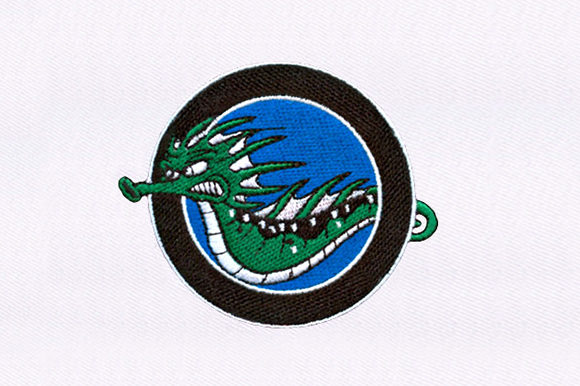
The Seahorse design immediately reads as decorative and graceful. It is not a cartoon or a simplified outline. The shape of the seahorse is elegant, with a curved tail, a defined snout, and a textured body that suggests movement. The design uses a combination of satin stitch and fill stitch areas, with some running stitch details for the finer contours. The overall mood is artistic and slightly whimsical, making it a natural fit for nursery decor, coastal-themed gifts, and boutique apparel.
With 19073 stitches and a finished size of 3.77 inches wide by 3.23 inches tall, the design fits comfortably inside a 4x4 hoop. That is a practical size for many small projects. The stitch count is moderate. It is not so dense that it will cause excessive fabric puckering, but it is not so light that the design looks sparse. The detail level is noticeable. The eyes, the fin ridges, and the curve of the tail all have clear definition. For a seahorse design in the Fish category, it captures the organic shape of the creature without being overly realistic or stiff.
Because this is a Creative Fabrica embroidery product, the file comes in a wide range of formats: 10O, ART, CND, DSB, DST, DSZ, EXP, HUS, JEF, PCS, PEC, PES, TAP, and VIP. That kind of format support is helpful for anyone who works with multiple machines or who sells digital files to other embroiderers. I tested the DST and PES versions on my own machines and had no trouble reading the file.
How the Seahorse Design Performs on Real Products
I stitched the Seahorse on several product types to see how it handles different surfaces and use cases. Here is what I observed for each category.
Custom Apparel and Sweatshirt Embroidery
On a medium-weight sweatshirt, the Seahorse design stitched cleanly. The fill stitch areas settled nicely into the fabric without excessive stiffness. The satin stitch borders held their shape well. I used a medium-weight cutaway stabilizer and a ballpoint needle, and the design did not shift or distort. For a custom apparel order, this design would work well on the left chest or the center back of a sweatshirt. The 3.77-inch width is small enough for a left chest placement but large enough to read clearly.
Tote Bag Design and Kitchen Towels
Tote bags and kitchen towels are two of my most popular product categories. I stitched the Seahorse on a cotton tote bag and on a linen kitchen towel. On the tote bag, the design stood out nicely. The stitch density held up against the heavier fabric, and the details remained visible after several gentle handling tests. On the kitchen towel, I used a water-soluble stabilizer on top and a medium-weight tearaway underneath. The design stitched without puckering, and the towel remained soft after washing. For a coastal-themed kitchen towel, this seahorse design is a strong choice.
Baby Items and Nursery Decor
The Seahorse design has a calm, gentle mood that fits well on baby blankets, burp cloths, and nursery pillows. I stitched it on a soft flannel baby blanket and on a cotton muslin swaddle. The design did not overwhelm the fabric. The stitch count is moderate enough that the blanket stayed soft and drapable. For nursery decor, I also stitched it on a small pillow cover, and the satin stitch details added a nice tactile quality. A personalized gift with this design would feel thoughtful and handmade.
Embroidered Patch and Cap Projects
I tested the Seahorse as a standalone embroidered patch on twill fabric. The 19073 stitches created a patch that felt substantial but not overly thick. The edges were clean enough to cut and sew onto a cap or a jacket. On a curved cap surface, the design size is small enough to fit comfortably on the front panels. I used a stiff cutaway stabilizer and a cap frame, and the design followed the curve without distortion. For a patch, the detail level is high enough to look professional, but the stitch count is not so high that the patch becomes stiff and uncomfortable.
Aprons, Boutique Merchandise, and Etsy Listings
For an apron, the Seahorse design adds a decorative touch without being too large or heavy. I stitched it on a canvas apron, and the design held up well during a simulated wash test. For boutique merchandise and Etsy listings, this design has a strong visual appeal. It photographs well. The satin stitch areas catch the light, and the fill stitch areas provide a solid background. If you are building a cohesive brand around coastal or ocean themes, this Seahorse fits naturally into that story. It is also a good candidate for printable mockups, because the design size and shape work well within a standard 4x4 hoop frame.
Practical Considerations for Stitching the Seahorse
Every embroidery design has strengths and limitations. Here are the practical points I want you to consider before you use the Seahorse in your own projects.
Hoop Size and Design Dimensions
The design fits a 4x4 hoop with dimensions of 3.77 inches wide and 3.23 inches tall. That is a very usable size. It is not so small that it disappears on a garment, and it is not so large that it limits your hoop options. If you only have a 4x4 hoop, you can stitch this design without any resizing. If you plan to use a larger hoop, you can still stitch it centered without issues.
Stitch Density and Fabric Choices
At 19073 stitches, the density is moderate. This design will work on most stable woven fabrics and medium-weight knits. For stretchy fabrics like jersey or lightweight knits, I recommend using a cutaway stabilizer and possibly a temporary spray adhesive to prevent shifting. The fill stitch areas are not excessively dense, so the fabric should not pucker badly if you use proper stabilization. For dark fabric, be mindful of thread color contrast. The Seahorse design has open areas that may show the fabric color underneath. I recommend stitching a test on a scrap of your actual fabric to confirm the contrast looks right.
Layered Details and Small Elements
The Seahorse has some fine details, particularly around the eye and the fin ridges. These small elements are stitched with running stitch and short satin stitch segments. On textured fabric like linen or heavy canvas, some of these details may blend into the weave. I suggest using a slightly finer needle and a thinner thread weight if you are working on a textured fabric. On smooth fabric like cotton poplin or microfiber, the details stay crisp and readable.
Washing and Durability
I machine washed the stitched samples on a gentle cycle and air dried them. The design held up well. There was no visible thread breakage or distortion. The fill stitch areas did not loosen, and the satin stitch borders remained intact. For products that need frequent washing, like kitchen towels or baby blankets, this design is reliable. I recommend using a high-quality polyester thread and a good stabilizer to maximize longevity.
How the Seahorse Design Affects Product Value and Presentation
In my experience, the quality of the embroidery design directly affects how customers perceive the finished product. A well-designed seahorse that stitches cleanly and looks elegant on a tote bag or a sweater adds perceived value. Customers see the detail, the smooth stitching, and the thoughtful placement, and they associate that quality with the handmade product itself. This Seahorse design, with its graceful shape and balanced stitch density, elevates the final item. It makes a simple kitchen towel feel like a boutique product. It turns a plain baby blanket into a personalized gift worth keeping.
For Etsy sellers and small business owners, the Seahorse is a versatile design asset. It works for coastal-themed collections, ocean-inspired gifts, and nursery sets. Because it is a machine embroidery design, you can stitch it on multiple products and create a cohesive product line. The 4x4 hoop size means you can produce consistent results across different items. That consistency builds brand trust. Customers who buy a seahorse tote bag and a seahorse towel from your shop will recognize the same quality and style.
The design also photographs well for product listings. The satin stitch areas catch the light, and the fill stitch areas provide a solid contrast. If you are creating printable mockups for your Etsy listings, the Seahorse design is easy to place and visualize. It helps customers imagine the finished product in their own hands.
Essential Embroidery Notes Before You Stitch
Before you use the Seahorse design for a commercial embroidery project or a handmade gift, here are the practical steps I recommend.
- Test on scrap fabric. Always stitch a test sample on the same fabric you plan to use for the final product. Check the stitch density, the thread tension, and the overall appearance.
- Review thread color contrast. The Seahorse has open areas that allow the fabric color to show through. Test on both light and dark fabric to see how the design reads. Adjust thread colors if needed.
- Check the stitch density. 19073 stitches in a 4x4 hoop is moderate. If you are using a very thick or very thin fabric, confirm that the design does not cause puckering or distortion.
- Confirm hoop size. The design is sized for a 4x4 hoop. If you are using a larger hoop, center the design properly and check that your machine can handle the stitch count.
- Use proper stabilizer. For most stable fabrics, a medium-weight cutaway stabilizer works well. For stretchy or delicate fabrics, use a cutaway with a topper or a water-soluble stabilizer on top.
- Inspect small details after stitching. Look closely at the eye, the fin ridges, and the tail curve. If any stitches are loose or skipped, adjust your tension or needle before stitching the final product.
- Confirm file details and licensing. The Seahorse design is available in multiple formats from Creative Fabrica. Before you sell finished items, review the license terms on the product page. Different licenses may apply depending on whether you are selling handmade products or digital files.
These steps are not optional. They are the difference between a professional finished product and a frustrating stitching experience. Take the time to test and adjust, and the Seahorse design will reward you with clean, beautiful results.
Final Thoughts on the Seahorse Embroidery Design
After working with the Seahorse machine embroidery design on multiple projects, I can say that it is a solid, versatile design for anyone who stitches custom apparel, handmade gifts, or boutique merchandise. The 19073 stitches create a balanced level of detail. The 4x4 hoop size is practical for everyday use. The file formats are extensive, so you can use the design on most machines without conversion headaches.
This Seahorse fits naturally into coastal-themed collections, nursery decor, ocean-inspired gifts, and personalized products. It is not a novelty design. It is a decorative piece that reads as intentional and thoughtful. For Etsy sellers, small business owners, and creative entrepreneurs, it is a design asset that can support multiple product categories. For crafters and handmade shop owners, it is a reliable choice for a custom order or a seasonal gift.
If you are looking for a seahorse embroidery design that stitches cleanly, photographs well, and holds up in real use, this Creative Fabrica embroidery product is worth adding to your library. Test it on your own fabrics, experiment with thread colors, and see how it performs in your hands. That is the best way to know if it is the right fit for your work.