Whitefly Bug: A Design Review for Boutique Sweatshirts
I’ve been digitizing and selling machine embroidery designs for years, and when a small boutique client asked me to source a unique bug-themed design for their upcoming holiday sweatshirt drop, I immediately pulled up the Whitefly Bug. This digital embroidery file has been on my radar for a while, and I wanted to see if it could deliver the premium feel they needed for a limited-edition hoodie collection. Let me walk you through my evaluation process, focusing on how this embroidery file translates to a finished product on real apparel.
The Stitching Personality of Whitefly Bug
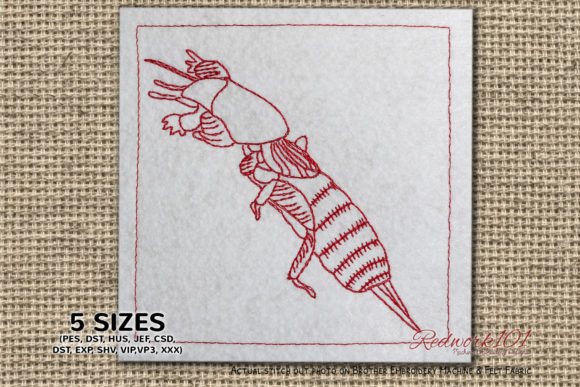
Whitefly Bug presents an interesting paradox. It’s a bug, but it doesn’t scream “creepy-crawly.” Instead, it leans into a more whimsical, almost minimalist aesthetic. The layout is clean and centralized, making it a natural fit for chest logos or small back designs. The stitching personality feels delicate yet structured—perfect for adding a touch of nature-inspired charm without overwhelming the garment. It strikes a balance between being cute and decorative with a hint of rustic, hand-drawn appeal. For a boutique brand, this adds a layer of storytelling that customers love. It feels curated, not mass-produced, which is exactly what you want for a handmade product that commands a higher price point.
Matching Whitefly Bug to Fabric, Color, and Silhouette
When I’m testing a new embroidery file for a client, I always run through a few specific fabric and color scenarios. The versatility of Whitefly Bug surprised me, especially when paired with the right sweatshirt or hoodie base.
Neutral and Pastel Sweatshirts
On a cream, heather grey, or soft blush hoodie, Whitefly Bug shines. The thread colors can be kept subtle—think soft greys, muted sage greens, or dusty blues—to create a tonal, premium look. This is where the design feels minimal and upscale. It doesn’t compete with the fabric texture; it complements it. For an oversized hoodie, a centered chest placement in a 5x7 hoop creates a strong visual anchor without looking bulky. This is a classic sweatshirt embroidery strategy that works well for lifestyle photography and Etsy listings.
Dark Fabric and the Box Stitch
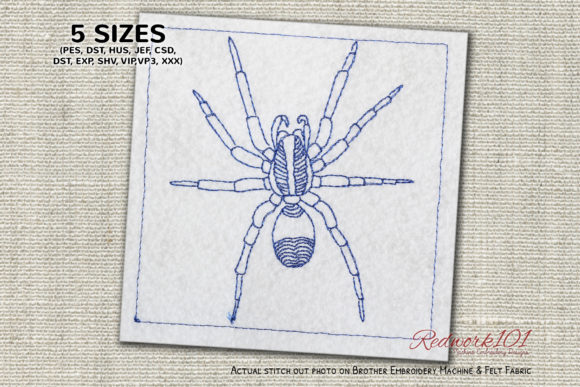
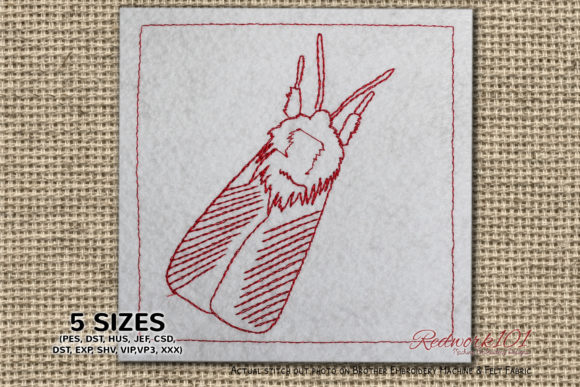
This is where the optional box stitch becomes a critical design element. The product description notes that the “Box Stitch shown in picture is optional” and that “the color of outer Box is different color in most of the designs.” For dark fabric, I would strongly recommend using a bright or contrasting box stitch to frame the whitefly, ensuring the detail doesn’t get lost in the fabric texture. Without the box, maintaining readability on a black or navy hoodie will require a heavier underlay or a white / light thread color. The box stitch effectively acts as a design asset that gives you, the decorator, control over the final look. If you are aiming for a bold, graphic feel, use the box. If you want a delicate, minimalist look, skip it entirely.
Placement Ideas: Chest, Sleeve, and Back
For a hoodie design, centered chest placement is ideal and works well for small shop product lines. It also translates beautifully as a sleeve accent on an oversized hoodie, or as a small left-chest logo on a fitted long-sleeve tee. The design assets are versatile enough to be scaled, but remember that scaling an embroidery file too much can affect stitch density and fabric texture. Stick to the recommended hoop size to maintain the integrity of the whitefly’s details.
Behind the Needle: Production Notes for a Premium Finish
Let’s talk shop. As an Etsy seller or custom apparel decorator, you need to know how Whitefly Bug behaves under the needle. Here are my practical notes from a recent test run.
- Stabilizer Choice: Sweatshirt fleece has a lot of give. If you use a flimsy tear-away, the design might distort. I always recommend a no-show mesh cut-away stabilizer for this type of project. It stabilizes the fabric texture without adding bulk, ensuring the finished product looks professional and lays flat against the body.
- Thread Colors & Contrast: The description mentions the outer box is a different color. I advise running a quick test stitch to see if you like the contrast. If you skip the box stitch, ensure your thread colors for the bug itself have enough density to stand out against the garment. Experiment with thread colors to match your brand identity—earthy greens for a rustic feel, or neons for a playful vibe.
- Stitch Density & Fabric Texture: The design doesn’t appear overly dense, which is a relief. High stitch density on thick sweatshirt fabric can lead to puckering. This feels breathable, which is good for washing durability. A well-stitched design that doesn’t pucker builds immense buyer trust and encourages repeat business.
- Hoop Size & Readability: Check the required hoop size for the scale you want. A 5x7 hoop gives you the most flexibility for chest placement. The small-size readability is excellent, meaning it won’t look like a blob if used for a left chest logo.
Building a Limited Drop Around Whitefly Bug
How does Whitefly Bug affect your product value? For boutique brands, detail is currency. A well-executed machine embroidery design on a hoodie elevates a $30 blank into a $60+ handmade product. This design is a strong candidate for a “limited drop” marketing campaign. It taps into the nature and bug aesthetic that is currently very popular in the indie apparel space. It’s not overly masculine or feminine, which broadens your target audience. The “whitefly” story is a great hook for social media and lifestyle product photography. It pairs well with printable mockup backgrounds of botanical or rustic settings.
For Etsy sellers and digital sellers, the Whitefly Bug is a strong addition to your design assets library. It translates well into product photography. Imagine a flat-lay photo with a neutral sweatshirt, a sprig of eucalyptus, and a cup of coffee. The design instantly telegraphs a specific mood: calm, nature-inspired, artisan. This is exactly what top-tier small shops are doing to differentiate themselves from mass production. It screams handmade product and justifies a higher price point, which directly impacts your bottom line.
Parting Thoughts Before You Hoop
Before you purchase the embroidery file, double-check the exact stitch count, file format, and license terms for commercial use. Ensure your machine supports the format. The optional box stitch is a great feature, but only use it if it complements your garment color. If you are working with a textured fabric, skip the box to reduce complexity. Overall, Whitefly Bug is a strong, versatile machine embroidery design that deserves a spot in your boutique apparel rotation. It offers the visual recognition and customer engagement that small clothing brands need to stand out in a crowded market. Whether you are a seasoned commercial embroidery shop or a new Etsy seller, this design is worth the test stitch.