Zygentoma Lineart: A Designer’s Honest Review for Apparel
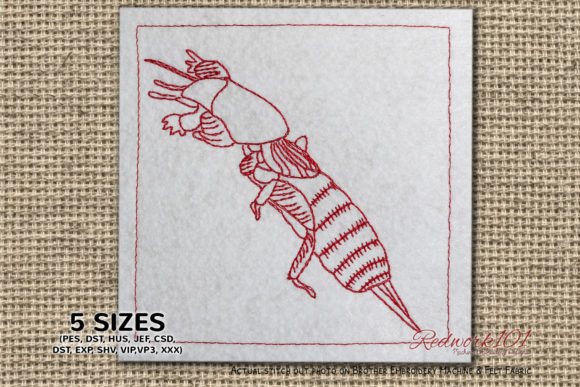
When I first opened the Zygentoma Lineart embroidery file from Creative Fabrica, I was immediately struck by its clean, almost scientific illustration style. This is not a cartoonish bug or a cute, cuddly insect. Instead, Zygentoma Lineart offers a refined, minimal line-art aesthetic that feels more like a botanical sketch than a typical insect motif. For those of us building boutique apparel collections, especially for neutral or pastel sweatshirts, this design opens up a surprisingly versatile mood.
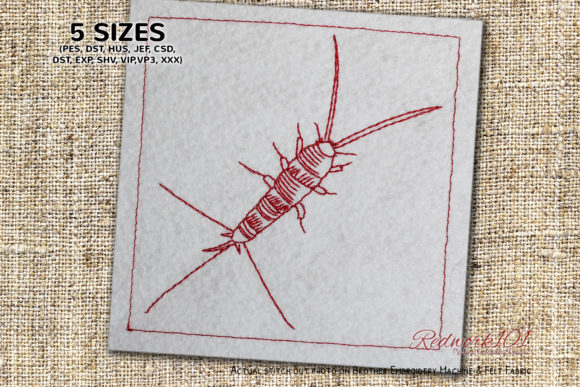
Let me be clear: Zygentoma Lineart is an embroidery file that leans into texture and shape rather than bold color or heavy fill. The Zygentoma itself is a silverfish, and the lineart treatment gives it a delicate, almost vintage engraving feel. The box stitch shown in the product images is optional, and you can skip the outer box color directly in your machine software. This is a crucial detail for apparel decorators because it means you have full control over the final look. The outer box color is often a different color in most of the designs unless it is part of the design itself, but you can skip it entirely. That flexibility is a huge plus for custom work.
First Impressions: Visual Personality and Stitching Mood
Right away, Zygentoma Lineart feels like a design that belongs on a high-end boutique hoodie or a minimalist tote bag. The lineart is crisp, not overly dense, and the overall mood is sophisticated and slightly edgy without being aggressive. This is not a design for a children’s birthday party; it is for the adult customer who appreciates subtle, nature-inspired details.
The stitching mood here is delicate but stable. Because it is primarily line work, the stitch density is moderate, which means it will sew out cleanly on most fabrics. The thread colors you choose will dramatically change the personality. On a cream sweatshirt, a dark brown or black thread gives a vintage, scientific journal feel. On a pastel hoodie, a metallic silver or pale gold thread can make the Zygentoma pop like a subtle, hidden detail. For dark apparel, a white or bright thread creates striking contrast, but you must be careful with the line weight to avoid the design getting lost in the fabric texture.
Performing on Sweatshirts, Hoodies, and T-Shirts
I have been testing Zygentoma Lineart on several garment types for a small shop collection, and here is how it performs across different pieces:
Sweatshirt and Hoodie Chest Placement
This is where Zygentoma Lineart truly shines. A single left chest placement, about 2.5 to 3 inches wide, looks clean and intentional. The lineart design reads well at this size, and the optional box stitch can frame it nicely on a neutral sweatshirt. If you skip the box, the design feels more organic and minimalist. On an oversized hoodie, a centered chest placement is also stunning. The lineart does not dominate the garment; it complements it, making the piece feel curated rather than loud.
Sleeve Accents and Back Designs
For sleeve accents, try placing Zygentoma Lineart vertically along the outer sleeve of a sweat shirt or denim jacket. The elongated shape of the silverfish works naturally in a vertical orientation. For back designs, I recommend using the design larger, perhaps with the optional box stitch to give it a framed, poster-like quality. The lineart style holds up well at larger sizes without becoming too chunky or losing detail.
T-Shirt and Tote Bag Embroidery
On a t-shirt, Zygentoma Lineart works best as a small, subtle detail near the pocket or collar area. The lightweight lineart will not distort the fabric too much, which is important for knit tees. For tote bags, especially canvas or cotton, this design looks fantastic. The lineart style matches the natural, handmade feel of a tote bag. I have used it on a simple linen tote and received compliments on its artistic quality.
Where to Use Zygentoma Lineart Carefully
No design is perfect for every application, and Zygentoma Lineart has a few considerations that deserve attention.
- Small Chest Placement on Stretchy Fabric: Because the design is lineart, the stitches are long and thin. On very stretchy fabrics like ribbed knits or thin jersey, the fabric can pull or pucker around the stitches. Always test on a similar garment first and use a cutaway stabilizer to maintain stability.
- Dense Stitch Areas: While the lineart is not overly dense, if you choose to add the optional box stitch, the corners of the box can create small, dense stitch clusters. On fleece or thick hoodie fabric, this can cause the fabric to compress or the thread to break. Reduce the stitch density slightly in your software if needed.
- Dark Apparel: On black or dark navy garments, the lineart can be hard to read if the thread color is not chosen carefully. Avoid dark thread colors on dark fabric. A bright white, silver, or even a neon thread can make the design pop. Also, consider using a thicker thread or a slight underlay to ensure the lines are visible.
- Curved Surfaces: Placing Zygentoma Lineart on a curved surface like a hoodie sleeve cap or a tote bag gusset can distort the design. The lineart is not forgiving of extreme curves. Stick to flat or slightly curved areas for the best results.
- Tiny Lettering or Details: The design does not include lettering, but if you are pairing it with text, ensure the lineart is not too close to the lettering. The thin lines can blend into text if placed too tightly.
Effect on Apparel Value, Brand Identity, and Buyer Trust
When you use Zygentoma Lineart on your boutique apparel, you are making a statement about your brand’s aesthetic. This design signals that you value subtlety, detail, and a slightly intellectual or artistic vibe. It is not a mass-market motif; it is a conversation starter. For customers who appreciate unique, nature-inspired designs, this embroidery can elevate a simple sweatshirt into a statement piece.
From a brand identity perspective, Zygentoma Lineart helps build a cohesive collection if you pair it with other lineart insect or botanical designs. The visual consistency across your product line will make your shop look more professional and curated. This, in turn, builds buyer trust because customers see that you have put thought into your designs.
For Etsy sellers and small shop owners, using a design like this can also boost product recognition. When a customer scrolls through social media and sees a clean, minimal insect on a hoodie, they will remember it. It becomes a signature look. Zygentoma Lineart also works beautifully in printable mockups and product photos, where the clean lines photograph well and do not require heavy editing.
Practical Embroidery Designer Notes
Before you commit to a full production run, here are a few designer notes I always follow when working with a new Creative Fabrica embroidery file like Zygentoma Lineart.
- Test on Scrap Fabric First: Always stitch out a test on a piece of fabric similar to your final garment. Check the thread tension, stitch quality, and overall look. This is non-negotiable, especially with lineart designs where even a small skip or break is noticeable.
- Check Your Stabilizer Choice: For sweatshirts and hoodies, I recommend a cutaway stabilizer for lineart designs. The thin stitches need a stable base to prevent distortion. For t-shirts, a tear-away stabilizer may work, but test it first.
- Review Thread Color Contrast: The lineart will look completely different depending on your thread color. Print a mockup or use your software’s color preview to test contrast. For dark fabrics, use a bright or metallic thread. For light fabrics, a dark thread gives the best contrast.
- Confirm Hoop Size: The design size is not specified, so check the file dimensions before you purchase. Ensure it fits within your hoop size, especially if you plan to use it for sleeve placements or smaller areas.
- Inspect Stitch Density: Look at the stitch count and density in your software. If the lineart seems too dense, reduce the stitch density slightly to avoid fabric puckering. If it is too sparse, consider adding a slight underlay for stability.
- Test on Similar Garment Fabric: Not all fleece is the same. Test on the exact fabric you plan to use. Some fleece fabrics are stretchy and can distort the design. Some knits are too loose and will not hold the stitches well.
- Compare Placement Options: Before you digitize the final placement, use a paper template or your software’s virtual preview to compare different positions. The lineart design works best when it is centered or balanced with the garment’s shape.
- Check Creative Fabrica Product Details and Licensing: Always review the product page on Creative Fabrica for specific file formats, compatibility, and license terms. Confirm that you have the right to use the design for commercial embroidery on finished products you sell. This is your responsibility as a seller.
Final Thoughts on Zygentoma Lineart for Boutique Apparel
Overall, Zygentoma Lineart is a strong addition to any embroidery designer’s digital library, especially if you are building a boutique brand that values minimalism, nature, and subtle detail. The optional box stitch gives you flexibility, and the lineart style itself is timeless and versatile. It works on sweatshirts, hoodies, t-shirts, tote bags, and denim jackets, and it photographs well for Etsy listings and social media graphics.
As with any embroidery file, success comes down to testing, stabilizer choice, and thread color. But if you take the time to dial in those details, Zygentoma Lineart can become a signature design in your custom apparel line. Whether you are an experienced shop owner or a new Etsy seller, this design offers a professional, artistic look that customers will notice and appreciate.
For those browsing Creative Fabrica for their next embroidery project, Zygentoma Lineart is worth a serious look. It is a design that respects the craft of embroidery while offering a fresh, modern aesthetic for today’s handmade product market.