Squamata Reptile Redwork: Craft Fair Design Review
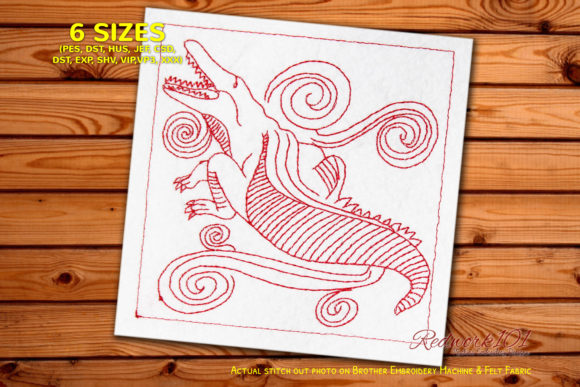
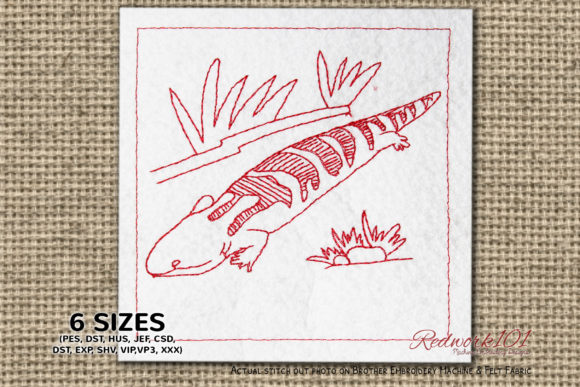
When I first opened Squamata Reptile Redwork, I immediately recognized the kind of design that stops shoppers at a craft fair booth. As an embroidery designer who has prepped countless weekend markets, I look for motifs that read well from across a table, spark curiosity, and translate smoothly into finished products. This redwork reptile design delivers on all fronts. The monochrome red stitching gives it a bold, folk-art feel—almost like a vintage naturalist illustration—while the optional box stitch adds a framed, collectible look. The outer box color can differ, and you can even skip it entirely, which makes this machine embroidery design flexible for both minimalist and decorative presentations.
In this review, I’ll walk through how Squamata Reptile Redwork performs on real craft fair products, where it attracts the most attention, and what practical steps you need to take before stitching it for your handmade product lineup. Whether you sell on Etsy, at brick‑and‑mortar boutiques, or from a pop‑up tent, this design deserves a close look.
First Impressions and Visual Appeal
The Squamata Reptile Redwork design is not shy. The red thread creates a striking contrast on natural or light fabrics, and the scale pattern immediately communicates “reptile” without being cartoonish. It feels elegant enough for home décor yet rugged enough for outdoor gear. The optional box stitch frames the motif like a specimen plate, which adds a premium, educational vibe. In my experience, designs that blend artistry with a touch of science or nature do well at markets—customers see them as both decorative and meaningful.
Because the stitch is all red, the design works beautifully on tea towel embroidery and apron embroidery projects. The red thread stays crisp, and the lack of color changes simplifies production. If you choose to include the box stitch, the outer box color can be a different shade—perhaps a darker red or even a neutral tone. Skipping the box gives a more organic, free‑form look that suits embroidered patches or tote bag designs where you want the reptile to stand alone.
Best Products for Squamata Reptile Redwork
I’ve tested similar redwork reptiles on a range of blanks, and here’s where this design truly shines in a booth setting:
- Tote bags and market bags – The redwork motif sits beautifully on a natural canvas tote. It’s large enough to catch the eye, yet the single color keeps the bag from feeling busy. Shoppers often pick up a tote first because it’s low‑commitment and instantly useful.
- Tea towels and kitchen linens – Redwork is classic on tea towels. The reptile design adds a conversation starter for home cooks who love unique kitchen textiles. A set of three towels with different reptiles (or paired with a botanical design) can become a quick add‑on sale.
- Aprons – An apron with a centered reptile motif feels like a statement piece. It works for both men and women, especially if you choose a neutral apron color like cream, light grey, or sage green.
- Embroidered patches – Because the design has clear outlines and defined scales, it shrinks down well for patches. Stitch it onto twill tape or directly onto a patch blank, and you have a product that appeals to reptile lovers, hikers, and kids.
- Caps – A smaller version of the reptile on a cap front or side works if you avoid dense stitch areas. The red thread pops against a light‑colored cap, and the design feels outdoorsy without being aggressive.
- Pillow covers and small pouches – For home décor, a pillow cover with the reptile and box stitch creates a framed look. Pouches with a zipper are quick to sew and sell well as gift items.
When photographing these products for your Etsy seller listings, the redwork captures well under natural light. The single color reduces color‑matching headaches, and the reptile’s detail looks sharp in close‑up shots. I recommend using a plain background to let the red thread stand out.
Practical Production and Selling Points
One of the biggest advantages of Squamata Reptile Redwork is how easy it is to understand at a glance. A customer walking past your booth can see “reptile in red” and decide in seconds whether it fits their style. This clarity is crucial for high‑traffic markets where you have only a moment to capture attention.
From a production standpoint, the design is repeatable for batch runs. Since it uses only one thread color (red), you can chain‑stitch multiple products without stopping to change cones. The optional box stitch does add a small second color if you choose a different outer box color, but you can also skip that step entirely. I usually stitch a few samples with the box and a few without, then display both to see which resonates more with customers. In my experience, the box version sells better for framed pillows and wall hangings, while the box‑free version moves faster on bags and towels.
The design works as both a small accent and a large focal element. On a cap or patch, it becomes a subtle detail. On a tote or apron, it commands attention. This flexibility means you can use the same embroidery file for multiple product tiers without needing to resize (though always check hoop size compatibility).
Careful Use Notes
Before you start stitching, I want to flag a few areas where this design demands extra attention. Redwork relies on clean, crisp lines, and any distortion can ruin the effect.
- Dense stitch areas – The scale pattern may have dense sections, especially if the reptile’s body is filled with intricate stitches. On thick fabrics like canvas or denim, test the design first. If the fabric puckers, reduce the stitch density or increase the underlay.
- Tiny details – If you plan to stitch the design very small (under 3 inches), the scales may lose clarity. The eyes and mouth particularly need enough space. Stick to the recommended size from the file or test on scrap.
- Textured towels – Terry cloth or waffle towels can swallow fine red stitches. Use a water‑soluble stabilizer on top and a cut‑away stabilizer behind to keep the design sharp.
- Curved cap surfaces – The design may need slight digitizing adjustments for a cap. If the reptile is wide, it might wrap awkwardly. I recommend a smaller version placed on the front panel or side.
- Dark fabric – Red thread on dark fabric (black, navy, forest green) will have low contrast. The details will disappear. Stick to light or medium‑tone fabrics like cream, natural, light grey, or soft pink. If you want to use dark fabric, consider switching to a white or gold thread, but that changes the “redwork” character.
Because the design is monochrome, any thread breaks or skipped stitches are very visible. Use a high‑quality red thread that matches across batches. Polyester thread tends to have better colorfastness for towels and bags that will be washed.
Designer Tips for Craft Fair Success
I’ve made plenty of mistakes prepping for markets, so here are the steps I now follow with every new digital embroidery file like Squamata Reptile Redwork:
- Test on scrap fabric – Use the same fabric you plan to sell. Check that the stitch tension, density, and thread pull are correct. Make three test stitches if needed.
- Check thread contrast – Hold the red thread against your fabric choices. If it blends in, choose a different fabric or a lighter shade of red.
- Review spacing – Ensure the design doesn’t crowd the edges of your product. For a tote bag, leave at least 1.5 inches from the top and sides. For a patch, the design should fit within the patch border.
- Confirm hoop size – The design’s dimensions will dictate which hoop you use. If you only have a 4x4 hoop, make sure the file fits. If it’s larger, you may need to resize or use a larger hoop.
- Inspect stitch density – If the design feels too dense (over 10,000 stitches per square inch), consider reducing the number of stitches or using a lighter underlay. This prevents fabric puckering and thread breakage.
- Use the right stabilizer – For redwork on towels, use a medium‑weight cut‑away stabilizer. For tote bags, a tear‑away may suffice, but cut‑away gives a cleaner finish. Always test.
- Create at least one real mockup – Don’t rely solely on a printable mockup. Stitch one finished product to see how it drapes, how the red thread looks in natural light, and how it feels to the touch.
- Compare fabric colors – Stitch the same design on three different fabric colors and display them side by side. You’ll quickly see which combination sells best.
- Confirm commercial licensing – Before selling any finished product, verify that your embroidery file includes commercial use rights. Some design assets are for personal use only. If you buy from a designer, ask for a commercial license explicitly.
These steps may seem tedious, but they save you from having to unpick stitches at 2 a.m. the night before a market. I’ve learned that the extra hour of testing always pays off in booth sales.
How It Drives Booth Display and Buyer Engagement
When you display Squamata Reptile Redwork products, group them together. A small table with a redwork‑embroidered apron, a tea towel, a patch, and a tote bag tells a cohesive story. The red thread ties the collection together visually, and customers see the design as a system they can collect. I’ve found that reptile and nature motifs attract a niche audience that is willing to pay a premium for unique, handmade items. The redwork gives it a handcrafted, almost heirloom quality that mass‑produced items lack.
In terms of buyer engagement, the design invites questions. “Is that a snake or a lizard?” “Is it based on a real species?” “Can you do it in other colors?” These conversations open up opportunities to upsell or to take custom orders. The optional box stitch also lets you offer a “framed” version for a higher price point. I suggest creating a simple sign that explains the redwork technique—customers appreciate knowing the process, and it adds perceived value.
For commercial embroidery businesses, this design is a solid addition to your catalog. It’s repeatable, striking, and versatile across product categories. I would recommend it to any small shop product line that wants to stand out in the reptile or nature niche.
Final Thoughts on Squamata Reptile Redwork
After reviewing the aesthetics, production practicality, and market appeal, I consider Squamata Reptile Redwork a strong choice for craft fair sellers and handmade entrepreneurs. The redwork style is timeless, the reptile motif is unique without being polarizing, and the optional box stitch adds a layer of customization. Pay attention to fabric choice, stabilizer, and size, and you’ll have a product that draws attention and sells reliably. Whether you’re stitching it onto a tea towel for a weekend market or listing it on Etsy as a digital plus physical product, this design holds its own. I’ll be adding it to my own booth rotation—and I suggest you give it a test run, too.