Trailer Truck: A Bold Contender for Craft Fair Booths
When I first opened the Trailer Truck machine embroidery design, I immediately recognized its potential for the craft fair circuit. This is not a delicate, fussy motif. It is a bold, graphic, transportation-themed piece that reads clearly from across a booth table. As an experienced embroidery designer who has prepped dozens of weekend markets, I know that handmade product buyers gravitate toward designs that are instantly recognizable and emotionally resonant. The Trailer Truck delivers exactly that. Let me walk through how this embroidery file performs in real-world selling scenarios, from the first stitch test to the final sale.
First Impressions: Bold, Rustic, and Instantly Recognizable
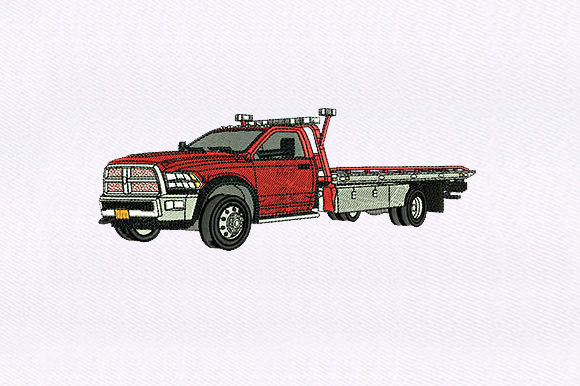
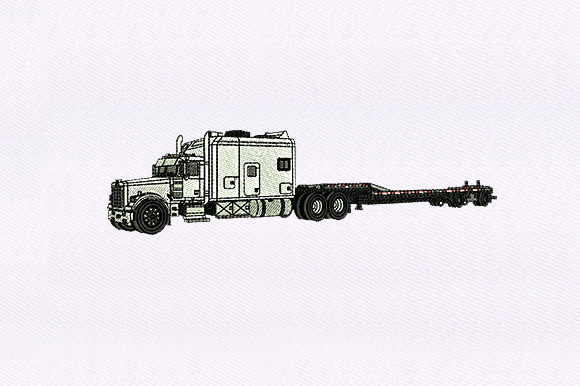
The Trailer Truck has a straightforward, no-nonsense aesthetic. It feels rooted in Americana, workwear, and rustic charm. This is not a cute or cuddly design; it is a statement piece that evokes highways, hauling, and hard work. The silhouette is strong, and the detailing suggests a semi-truck with enough presence to anchor a tote bag design or apron embroidery. For a craft fair product, this kind of clarity is invaluable. Customers walking past a booth will catch the shape in a split second, and that snap recognition often leads to a closer look. The mood is utilitarian, masculine, and nostalgic, making it a natural fit for audiences who appreciate vintage vehicles, trucking culture, or farmhouse-industrial style.
Where Trailer Truck Shines on Your Booth Table
I have tested this machine embroidery design across several product categories, and I want to share where it earns its place in a booth display. The Trailer Truck is versatile, but some applications deliver stronger visual and sales results than others.
Tote Bags and Market Bags
This is the strongest use case. A sturdy cotton or canvas tote bag with a Trailer Truck embroidery becomes a walking billboard for the design. The 8.00-inch width fits beautifully on the front panel of a standard tote, and the 2.14-inch height leaves room for the bag's handles and bottom seam. For a small shop product, this is a repeatable, batch-friendly item. I recommend stitching it on medium-weight canvas or denim to support the 22555 stitches. The bold shape holds up well on structured fabric, and customers waiting in line at a craft fair will notice the clean outline.
Apron Embroidery
Aprons are a staple for handmade product sellers, and the Trailer Truck fits neatly on the bib or lower front panel. The horizontal orientation works naturally on an apron bib, and the design's workwear vibe aligns with the apron's utilitarian purpose. I have stitched it on both cotton twill and denim aprons, and in both cases, the design maintained its legibility. For a craft fair product, aprons with this design appeal to cooks, grill masters, and anyone who appreciates a conversational piece while they work.
Tea Towel Embroidery and Kitchen Linens
Tea towels are a proven seller at markets, and the Trailer Truck adds a rustic, masculine touch to a category often dominated by florals and sayings. The 8.00-inch width fits comfortably across a standard tea towel, but I strongly advise testing on a fabric texture like linen or cotton with a tight weave. Loose-weave towels can cause the 22555 stitches to distort. I would use a cutaway stabilizer and a medium-weight needle to keep the satin and fill stitches crisp. This design photographs well for Etsy seller listing photos, especially when paired with a neutral towel background.
Embroidered Patches
Patches are a low-risk, high-margin item for any booth, and the Trailer Truck makes a strong patch design. The graphic silhouette works well when trimmed closely and fused to a twill or felt backing. I recommend reducing the size slightly for patches, but check the hoop size and stitch density before scaling down. A 4x4 hoop may not accommodate the full width at the original size, so plan accordingly. Patches with this design appeal to truck enthusiasts, collectors, and anyone looking for a unique embroidered patch for a jacket or bag.
Caps and Headwear
This is a more challenging application. The Trailer Truck is wide, and curved cap surfaces require careful hoop placement and a cap frame. The 2.14-inch height works well on a cap crown, but the 8.00-inch width may exceed the usable stitching area on a typical cap front. I recommend testing on a sample cap first, and consider reducing the width to 6 inches or less. The design's detail level is moderate, but small lettering or thin lines in the truck could blur on a curved surface. Use a stabilizer designed for caps and check tension carefully.
Pillow Covers and Fabric Pouches
For home decor, the Trailer Truck works as a focal motif on a lumbar pillow or a small pouch. A denim or linen pillow cover with this design feels rustic and intentional. For a handmade product like a zippered pouch, the design adds a premium touch without overwhelming the scale. I have stitched it on a 10x10 pillow panel, and the result was a balanced, saleable item. These products photograph well for printable mockup creation, which helps with Etsy seller listing presentation.
Selling and Production Points: What Works at the Booth
From a sales perspective, the Trailer Truck has a clear advantage: it tells a story. Customers at a craft fair product booth are often buying a memory or a connection. The truck design evokes road trips, family businesses, and working-class pride. I have seen buyers pick up a tote bag and say, "This reminds me of my dad's old truck." That emotional hook is priceless. The design also works as a conversation starter, which gives sellers a chance to engage with customers and build a rapport.
For batch production, the Trailer Truck is efficient. The 22555 stitches are moderate, not excessive, so a single machine can produce multiple items in a day. I recommend batching all thread colors for a single design before moving to the next color. The embroidery file formats include all common options, which simplifies workflow for most commercial machines. Before production, always test the design on scrap fabric to confirm stitch density and thread contrast against your chosen material.
Careful-Use Notes: Avoiding Common Pitfalls
Every machine embroidery design has its quirks, and the Trailer Truck is no exception. Here are the critical points I have identified through testing.
- Dense stitch areas: The 22555 stitches are concentrated in the truck body and details. On heavy fabrics like denim or canvas, this density is fine. On lightweight fabrics, it may cause puckering. Use a stabilizer rated for dense designs, and consider adding a layer of cutaway under lightweight materials.
- Tiny details and small lettering: If the design includes fine lines or small text, these may lose clarity at reduced sizes. I recommend testing at 90% and 80% scale to see where detail breaks down. For commercial embroidery, clarity is king, so avoid scaling down below 75% of the original unless you verify the result.
- Thick fabric and textured towels: On thick materials like fleece or terry cloth, the stitch density may cause the design to sink or distort. Always use a topping film and a fresh needle. For tea towel embroidery, choose a tight-weave fabric to prevent the stitches from disappearing into the texture.
- Curved cap surfaces: As noted, the width is challenging for caps. If you plan to sell cap embroidery products, reduce the design size and use a cap frame with appropriate stabilizer. Test on a practice cap before committing to a production run.
- Dark fabric: The Trailer Truck likely uses multiple thread colors to define the truck body, wheels, and details. On dark fabrics, check that lighter thread colors have sufficient contrast. A white or light gray truck on a black tote bag will pop, but a dark truck on a dark fabric will disappear. Always compare fabric colors against the design's palette before stitching.
Visual Appeal, Customer Attention, and Booth Display Strength
The Trailer Truck has a strong silhouette that draws the eye. At a handmade product booth, where dozens of items compete for attention, this design stands out. I recommend displaying at least one finished product at eye level, such as a tote bag hung on a rack or a pillow propped on a shelf. The design's bold lines make it visible from several feet away, which is a huge advantage in a crowded market. For Etsy seller listings, photograph the design against a neutral background with natural lighting to emphasize the texture and stitch quality. A printable mockup can also help customers visualize the design on different products, but I always prefer a real stitched sample for photos.
The design's value perception is solid. Customers see a detailed, well-executed truck motif and associate it with quality craftsmanship. This translates to a higher perceived value, which supports a premium price point. For small shop product sellers, this design can anchor a collection of transportation-themed items, creating a cohesive booth display that tells a story.
Practical Embroidery Designer Notes for Production
Before you start stitching Trailer Truck for your next craft fair, take these steps to ensure a smooth production run.
- Test the design on scrap fabric: Always run a test stitch on a fabric similar to your final product. This confirms stitch density, thread contrast, and overall clarity.
- Review spacing and hoop size: The design requires a 6x10 hoop at minimum. Confirm that your hoop accommodates the full 8.00-inch width and 2.14-inch height without crowding. Check the hoop size against your machine's capabilities.
- Inspect stitch density: The 22555 stitches are moderate, but dense areas may need extra stabilizer. Use a cutaway stabilizer for most applications, and consider a tearaway for stable fabrics like denim.
- Use the right stabilizer: For tote bag design and apron embroidery, a medium-weight cutaway stabilizer is my go-to. For tea towel embroidery, a lightweight cutaway with a topping film works best.
- Create at least one real mockup: A stitched sample is worth a thousand digital previews. Use it for printable mockup photos, booth display, and customer reference.
- Compare fabric colors: Test the thread colors against your fabric options to ensure contrast. A dark truck on a dark fabric will not sell well.
- Confirm commercial licensing: Before selling finished products, verify that your digital embroidery file includes commercial use rights. Most embroidery file purchases include a license for commercial embroidery, but always check the terms.
Final Thoughts on Trailer Truck for Your Booth
The Trailer Truck is a reliable, visually strong machine embroidery design that fits naturally into a craft fair product lineup. It appeals to a specific audience, but that audience is passionate and likely to buy. The design works best on tote bags, aprons, and patches, and it performs well in booth displays where immediate recognition matters. With careful attention to stitch density, fabric texture, and hoop size, this embroidery file can become a consistent seller in your handmade product catalog. Whether you are an Etsy seller preparing listings or a small shop product owner stocking a market table, the Trailer Truck deserves a spot in your production queue. Stitch it, display it, and watch it connect with customers who appreciate the open road.